
Mehrgarh ki drill: daanton ke ilaj ki ek qadeem riwayat
Daant ka dard aisi takleef hai jis se shayad hi koi bacha ho. Aaj dandan saaz bijli ki drill se kharab hissa saaf kar ke daant bhar deta hai. Hairat ki baat yeh hai ke is se milta julta kaam…

Daant ka dard aisi takleef hai jis se shayad hi koi bacha ho. Aaj dandan saaz bijli ki drill se kharab hissa saaf kar ke daant bhar deta hai. Hairat ki baat yeh hai ke is se milta julta kaam hazaron baras pehle Balochistan ke ek gaon mein ho raha tha. Wahan ke log pathar ki bareek nokon se zinda insanon ke daanton mein surakh karte the. Yeh gaon Mehrgarh tha, aur is ki qabron se milne wale daanton ne duniya bhar ke scientists ko chaunka diya.
Mehrgarh aur is ka qabristan
Mehrgarh (Mehrgarh) Balochistan mein Kachhi ke maidan mein waqe ek qadeem basti hai. Shumal maghribi Janubi Asia mein kheti baari ke ibtidai daur ko samajhne ke liye yeh sab se aham maqam hai. France ke aasar-e-qadeema ke mission ne Jean-Francois Jarrige (Jean-Francois Jarrige) ki sarbarahi mein yahan 1974 se khudai ki, aur hukumat-e-Pakistan ke mahkama-e-aasar-e-qadeema ne is ki ijazat di.
Is basti ke sab se purane daur mein log kachchi eentoun ke gharon mein rehte the. Jab koi ghar chhor diya jata to is ke khandar qabristan ke taur par istemal hote aur baad mein un par naye ghar ban jate. Yun ek ke upar ek nau tahon wala qabristan bana. Inhi qabron ki haddiyan aur daant is kahani ka markaz hain.
Gyarah daant, nau insan
April 2006 mein scientific jaride Nature (Nature) mein Italvi mahir-e-bashriyat Alfredo Coppa (Alfredo Coppa) aur un ke sathiyon ka ek mukhtasar maqala shaya hua. Maqale mein bataya gaya ke Mehrgarh ke is qabristan se nau baligh afraad ki daadhon ke gyarah aise taj mile hain jin mein jaan boojh kar surakh kiye gaye the.
Maqale ke mutabiq is se pehle zinda insanon ke daanton mein surakh ke jo shawahid maloom the woh ikka dukka the aur chhe hazar baras se kam purane the. Musannifeen ne ise ibtidai kashtkar muashre mein "dandan saazi ki ibtidai shakal" ki ek taweel riwayat qarar diya.
Pathar ki drill kaise chalti thi
Surakh kis cheez se kiye gaye? Is qabristan se chaqmaq ki nanhi nokein bhi milin jo ghaliban manko mein surakh karne ke kaam aati thin.
British Dental Journal (British Dental Journal) ke 2025 ke ek jaize ke mutabiq khurdbeen se surakhon ki andruni deewaron par drill jaise nishan nazar aaye. Muhaqqiqeen ne waisi hi nokon se tajurbe kiye to daant mein aise hi surakh ban gaye. Nature ke maqale ka zeli unwan bhi yehi kehta hai ke chaqmaq ki nokein daant ki sakht bairooni teh mein surakh karne mein hairat angez taur par kargar thin.
Ilaj tha ya kuch aur?
Isi jaize ke mutabiq gyarah mein se chaar daanton mein keera lagne ke aasar the, jabke baqi daanton mein koi kharabi nazar nahin aayi. Kisi surakh mein bharai ka koi madda nahin mila. Is liye yeh sawal ab bhi khula hai ke yeh amal sirf dard ke ilaj ke liye tha ya is ki koi aur wajah bhi thi.
Dilchasp baat yeh hai ke yeh riwayat aage nahin chali; baad ke adwaar ke bashindon ne yeh tareeqa jari nahin rakha.
Tareekh par nayi bahas
Nature ke 2006 ke maqale mein is qabristan ki umar 7,500 se 9,000 baras batayi gayi thi. Yeh Jarrige ki is raye se mutabiqat rakhta tha ke Mehrgarh ka pehla daur taqriban 8000 qabl masih mein shuru hua.
2025 mein Scientific Reports (Scientific Reports) mein Benjamin Mutin (Benjamin Mutin) aur sathiyon ka maqala aaya, jis ke musannifeen mein khud Coppa bhi shamil hain. Unhon ne isi qabristan ki teis qabron se daanton ke enamel yani bairooni sakht teh ki radio carbon tareekhein nikalin. Un ke hisab se qabristan taqriban 5200 se 4900 qabl masih ke darmiyan shuru hua aur do se paanch sadiyon tak istemal hota raha. Yani yeh taqriban saat hazar baras purana hai, nau hazar nahin.
Mehrgarh ki tareekh par mahireen mein bahas barson se jari hai. Yaad rahe ke Nature ke maqale ke mutabiq is se pehle ke maloom shawahid chhe hazar baras se kam purane the. Nayi tareekh ke baad yeh mawazna kis had tak barqarar rehta hai, is par mahireen ki hatmi raye abhi samne nahin aayi.
Duniya ke doosre qadeem nishanat
Daanton ke ilaj ki koshish is se bhi purani hai, agarchi drill ki shakal mein nahin. Shumali Italy ke maqam Villabruna (Villabruna) se milne wali taqriban 14 hazar baras purani ek daadh mein keera lage hisse ko chaqmaq ki nok se kharachne ke nishan mile hain. 2015 ke ek mutalie ne ise keede ke ilaj ka qadeem tareen maloom saboot qarar diya. Italy hi ke ek aur maqam Riparo Fredian (Riparo Fredian) se taqriban 13 hazar baras purane daant mile jin ke andar taarkol ke zarrat the, shayad bharai ki ek ibtidai koshish. Slovenia se milne wale 6,500 baras purane ek jabde ke daant par shehd ki makkhi ka mom laga mila, jo mumkina taur par daant ki hassasiyat kam karne ke liye tha.
Mehrgarh ki khaas baat yeh hai ke wahan ek hi biradri ke kai afraad ke daanton par ek hi tareeqa azmaya gaya.
Aaj hamare liye
Aalami idara-e-Sehat ke mutabiq munh aur daanton ki bimariyan duniya mein taqriban 3.7 arab afraad ko mutasir karti hain, aur mustaqil daanton mein baghair ilaj ka keera duniya ki sab se aam bimari hai. Idare ke mutabiq zyada meetha, fluoride ki kami aur brush na karna is ki badi wujuhat hain.
Aaj ki tez raftar drill aur bharai isi purani zarurat ka jadeed jawab hain, aur is kahani ka ek qadeem baab Balochistan ki mitti mein mahfooz hai.
Makhaz
- A. Coppa, L. Bondioli, A. Cucina, D. W. Frayer, C. Jarrige, J.-F. Jarrige, G. Quivron, M. Rossi, M. Vidale, R. Macchiarelli, "Early Neolithic tradition of dentistry", Nature 440, 755–756 (2006). https://www.nature.com/articles/440755a — eleven drilled molar crowns from nine adults in a Neolithic graveyard in Pakistan dated 7,500–9,000 years ago; earlier evidence of in-vivo drilling limited to isolated cases under six millennia old; flint tips effective for drilling enamel; authors' affiliations; reference to Mehrgarh Field Reports 1974–1985 (abstract page only read; full text paywalled).
- R. Forshaw, "Dentistry and dental care in antiquity: part 1 – prehistory, Mesopotamia, Israel, Etruria and the Far East", British Dental Journal 239, 851–856 (2025). https://www.nature.com/articles/s41415-025-8884-z — summary of the Mehrgarh find: 11 molars, four with caries, no filling material, drill marks under the microscope, flint bead-drill heads from the graveyard, experimental replication, practice not continued by later populations; also Riparo Fredian (bitumen) and the Slovenian beeswax case.
- B. Mutin, A. Zazzo, L. Bondioli, A. Coppa et al., "New radiocarbon dates of human tooth enamel reveal a late appearance of farming life in the Indus Valley", Scientific Reports 15, 11345 (2025). https://www.nature.com/articles/s41598-025-92621-5 — Mehrgarh in the Kachi Plain; tooth enamel from 23 graves in the nine-level Period I cemetery; start c. 5200–4900 BCE, duration two to five centuries; Jarrige's earlier 8000 BCE start; mud-brick dwellings; French mission and permission of Pakistan's Department of Archaeology and Museums.
- G. Oxilia, M. Peresani, M. Romandini et al., "Earliest evidence of dental caries manipulation in the Late Upper Palaeolithic", Scientific Reports 5, 12150 (2015). https://www.nature.com/articles/srep12150 — Villabruna molar, about 14,160–13,820 cal BP, carious cavity scraped with pointed flint tools; oldest known evidence of caries intervention.
- F. Bernardini, C. Tuniz, A. Coppa et al., "Beeswax as Dental Filling on a Neolithic Human Tooth", PLoS ONE 7(9): e44904 (2012). https://journals.plos.org/plosone/article?id=10.1371/journal.pone.0044904 — 6,500-year-old mandible from Slovenia with beeswax on a canine.
- World Health Organization, "Oral health" (fact sheet). https://www.who.int/news-room/fact-sheets/detail/oral-health — oral diseases affect nearly 3.7 billion people; untreated caries of permanent teeth the most common health condition (GBD 2021); sugar, lack of fluoride and toothbrushing as causes.
- "Mehrgarh", Wikipedia (pointer only). https://en.wikipedia.org/wiki/Mehrgarh — location and background; cross-checked against sources 1 and 3.
 100 Bari Daryaftein aur Ijadat se mazeed
Mazeed → Mitti ke bartan: Aag mein pakki pehli masnooi cheez
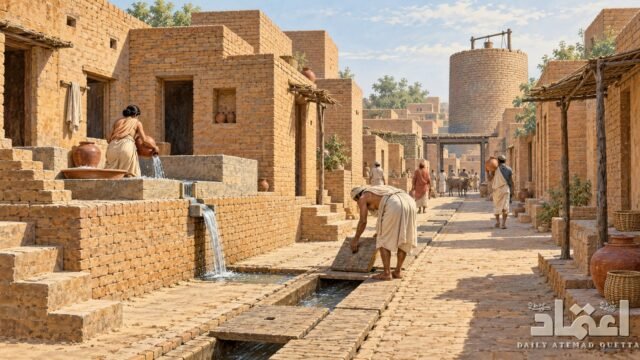 Mohenjo Daro ki naliyan, dunya ka qadeem shehri nikasi-e-aab
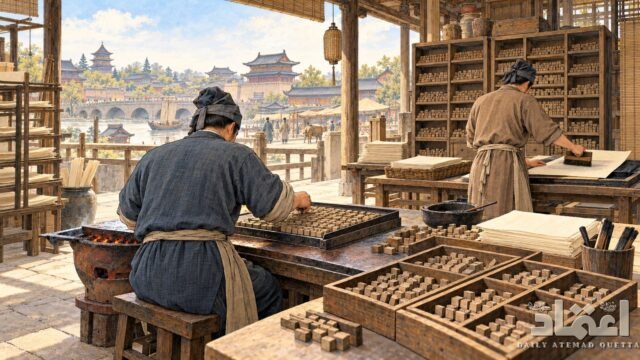 Mutaharrik huroof ki chhapai: mitti ke type se dhaat ke huroof tak
 Pahiya: woh ijad jis ka aaj tak koi badal nahin
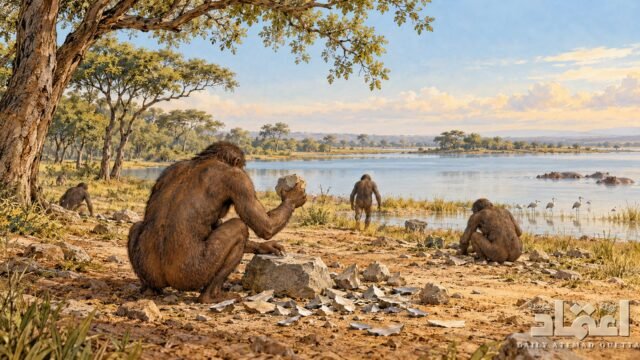 Pathar ke auzaar: insan ki pehli ijad
 Qutb Numa: Resham ke dhaage se latki Sui
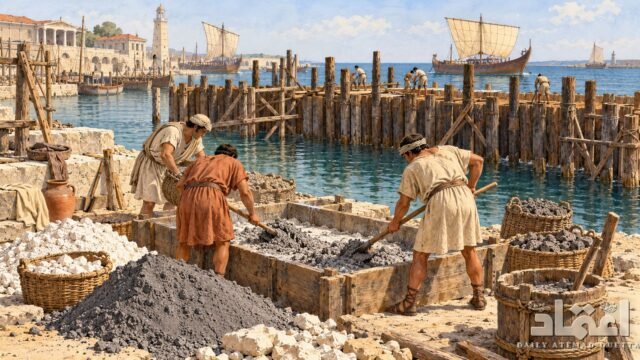 Roomi concrete: do hazar saal se khari imaratein
 Shamsi taqweem, jab Misr ne saal ko 365 dinon mein bandha